
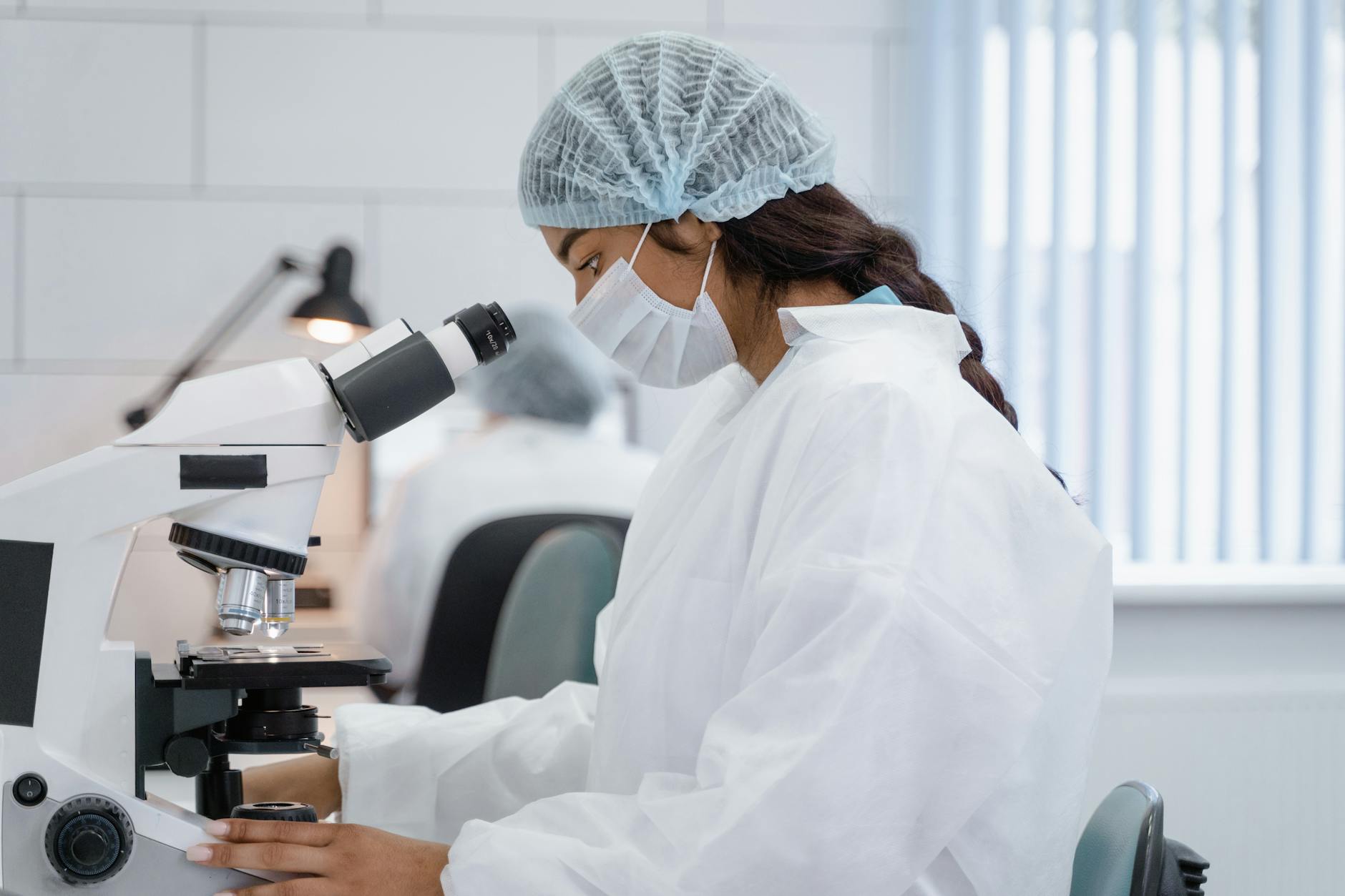
Discover groundbreaking innovations in healing that are reshaping medicine—uncover the future of health with cutting-edge research transforming lives today!

Table of Contents
Medical research has always been at the heart of advancements in healthcare, creating new opportunities for treatment, prevention, and ultimately improving patient outcomes. The ongoing evolution of medical research methodologies continues to pave the way for more effective, personalized, and accessible healthcare solutions. By embracing modern technologies and interdisciplinary collaboration, researchers are forging paths toward a healthier future for all.
Understanding the significance of medical research and its transformative potential in healthcare is vital for everyone. As our knowledge and technologies advance, we find ourselves better equipped to tackle some of the most challenging health issues facing our society today.
Emerging Trends in Medical Research
One of the most exciting developments in medical research is the rise of cutting-edge fields such as genomics and biotechnology. These advancements empower us to dive deep into the cellular and genetic underpinnings of diseases, enabling targeted therapies that are tailored precisely to an individual’s needs. Imagine a world where cancer treatments are no longer one-size-fits-all but rather personalized to match the unique genetic profile of a patient. This is not just a dream; it’s becoming reality through the incredible progress we’ve made in understanding our genetic makeup.
Artificial intelligence and machine learning are playing a significant role in transforming medical research. By harnessing the power of data analytics, researchers can sift through massive amounts of information in mere moments, uncovering vast patterns and insights that lead to new discoveries. For instance, these technologies are accelerating the identification of potential drug candidates, reducing the time spent in the laboratory and propelling us toward innovative therapies faster than ever before. The intersection of technology and healthcare proves to be a game-changer, with the potential to address pressing medical challenges swiftly and effectively.
A pivotal aspect of modern medical research is the shift toward patient-centered approaches. Real-world evidence—which includes data sourced from everyday clinical settings rather than controlled trials—allows researchers to gain insights that are grounded in the actual experiences of patients. This helps to develop treatments and interventions that resonate with real needs and concerns, ultimately guiding healthcare to be as effective and relevant as possible.
Breakthroughs in Disease Treatment and Prevention
As we delve into the monumental breakthroughs achieved in medical research, it’s hard not to be optimistic about the future of healthcare. Recent advancements, particularly in the treatment of chronic diseases like cancer and diabetes, showcase not only scientific innovation but humanity’s unwavering resolve to combat illness. Researchers are continuously uncovering novel therapies that enhance the effectiveness of treatments, leading to better survival rates and improved quality of life for patients.
Moreover, innovations in preventive medicine play an equally essential role. The ongoing development of vaccines has been nothing short of revolutionary, especially evident in the current landscape with COVID-19. Vaccines work by training our immune system to recognize and combat pathogens, thus preventing diseases before they manifest. Additionally, preventive health screenings and lifestyle interventions are becoming an integral part of healthcare, facilitating earlier detection and management of potential health issues. Armed with the necessary tools, we can tackle diseases before they take hold.
Case studies from recent clinical trials further highlight how cutting-edge research can lead to remarkable breakthroughs. For instance, new therapies for specific cancer types have emerged from these trials, offering hope where it once seemed there was none. These successes underscore the enormous potential of medical research to change lives, demonstrating that with perseverance and innovation, we can overcome some of our most daunting health challenges.
The Impact of Global Health Initiatives
Global health initiatives have begun to shape medical research agendas on an unprecedented scale. Organizations worldwide are collaborating to identify pressing health concerns that demand innovative solutions. These initiatives emphasize the critical importance of policy and funding in propelling groundbreaking research projects. By pooling resources and knowledge, stakeholders from diverse backgrounds can work together to address issues that transcends borders, leading to a more connected and healthier global community.
Success stories abound in the realm of collaborative research, particularly in improving health outcomes among underserved populations. Projects targeting infectious diseases in low-income countries, for example, have demonstrated the power of united efforts to dismantle barriers and deliver critical healthcare solutions to those in need. When we choose to embrace a collective vision for improved health, we can uplift entire communities, breaking cycles of poverty and illness.
Challenges Facing Medical Research Today
While optimism should guide our perspective on medical research, it is also essential to recognize the challenges that researchers face on this journey. Funding issues remain a significant barrier. Securing sustained financial backing is often crucial for the viability and continuity of innovative research projects. Moreover, regulatory hurdles can slow down the pace of discovery, making it vital to strike a balance between rigorous safety standards and the need for rapid innovation.
Another critical challenge pertains to the dissemination of accurate information in an era rife with misinformation. Public trust in scientific research is paramount, and fostering awareness about the validity and importance of medical advancements can lead to greater engagement and support from the community. Finally, the need for diversity in clinical trials and research teams cannot be overstated; it is essential to ensure that research findings are inclusive and applicable across different demographics.
Looking Ahead: The Future of Healthcare Research
As we look to the future, there is an air of excitement about the next decade of medical research. Experts predict that the integration of technology into everyday healthcare practices will lead to profound changes in how we approach health management. From telemedicine to wearable devices that monitor our health in real-time, the possibilities seem limitless. These advancements hold promise to enhance patient autonomy and encourage proactive health behaviors.
Additionally, engaging individuals in research, advocacy, and support for healthcare innovation can create a ripple effect of positive change. As a community, we can drive awareness and funding for promising research initiatives, ensuring that vital breakthroughs continue to emerge. As highlighted by sources like NewsPeas.com, staying informed and proactive will create a strong foundation for a future where health challenges are met with resilience and creativity.
In conclusion, the journey of medical research is one of hope, discovery, and resilience. By embracing emerging technologies, fostering collaboration, and putting patients at the center of our healthcare systems, we can envision a brighter and healthier future for everyone. The advancements made today are a testament to the dedication of researchers, healthcare professionals, and communities committed to health innovation—ushering in a new era of healing.
“`