
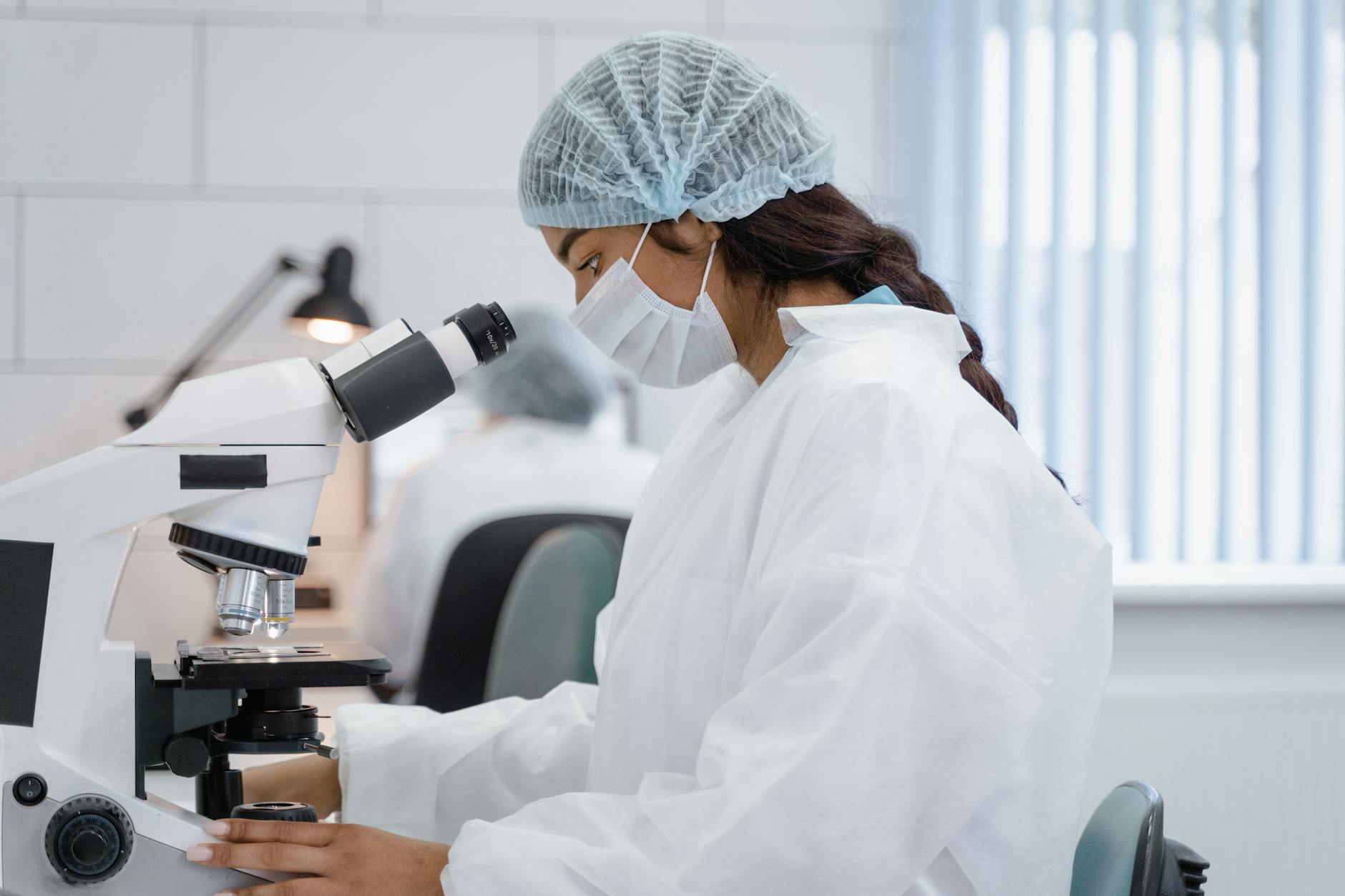
Discover how groundbreaking research is reshaping healthcare, unveiling tomorrow’s medical innovations, and revolutionizing patient care. What does the future hold?

Table of Contents
The medical field is undergoing a tremendous transformation like never before, driven by groundbreaking research and innovative technologies. Today, we stand at a remarkable intersection of discovery and healing, where advancements promise to enhance the quality of life for individuals around the globe. As we unravel the mysteries of human health, the importance of medical research emerges as a fundamental pillar of our healthcare system, paving the way for improved treatments, more effective therapies, and, ultimately, a healthier society.
In this blog, we will explore the dynamic landscape of medical research, highlighting the latest developments in technology, the rise of precision medicine, the power of collaboration in research, and the emerging trends that are reshaping healthcare as we know it. Join the NewsPeas.com team on this exciting journey into the future of healing!
Breakthrough Technologies Revolutionizing Healthcare
Innovation has become the lifeblood of medical research, with technology leading the charge in discovering new pathways for diagnosis and treatment. One of the most impactful advancements in recent years is the integration of artificial intelligence (AI) and machine learning in healthcare. By analyzing massive datasets, AI can identify patterns and predict patient outcomes with remarkable precision. For instance, AI algorithms have been developed to detect early signs of diseases such as cancer, significantly improving early diagnosis rates. Hospital systems are increasingly employing these technologies, leading to faster, more accurate treatment plans that ultimately save lives.
Additionally, Big Data analytics is playing a critical role in shaping medical research. Healthcare providers can now collect and analyze vast amounts of patient data, extracting useful insights that were previously unattainable. From monitoring population-level health trends to personalizing individual care, the ability to leverage Big Data is revolutionizing how health information is utilized. This shift not only enhances patient care but also empowers healthcare professionals to make data-driven decisions that lead to positive patient outcomes.
Equally noteworthy is the rise of telemedicine and mobile health applications. These technologies have amplified accessibility to healthcare, allowing individuals to consult healthcare professionals from the comfort of their homes. Telemedicine has particularly proved invaluable during the COVID-19 pandemic, as it enabled continuous healthcare delivery while prioritizing patient safety. As we embrace a digital-first approach, patients can manage their health more effectively, fostering a more engaged and proactive attitude toward their well-being.
The Rise of Precision Medicine
Precision medicine represents a paradigm shift in how we approach medical treatment. Rather than the traditional “one-size-fits-all” methodology, precision medicine focuses on customizing healthcare based on individual characteristics, including genetics, environment, and lifestyle. This transformative approach allows for treatments tailored specifically to each patient’s unique profile, leading to better health outcomes and fewer side effects.
The Human Genome Project, completed in 2003, set the stage for the precision medicine revolution by mapping the entire human genome. This monumental achievement has opened new avenues in genomics and biotechnology, enabling researchers to pinpoint genetic variations linked to various diseases. With ongoing advancements in genetic sequencing technologies, treating conditions like certain cancers has become not only more effective but also highly targeted. Patients are now being treated with therapies designed to disrupt the specific pathways their diseases exploit, reinforcing the belief that understanding the genetic underpinnings is crucial in tailoring treatment.
However, the rise of precision medicine doesn’t come without its set of challenges. Ethical considerations, including privacy concerns surrounding genetic data, must be navigated with care. Ensuring equitable access to these advanced therapies also poses a significant hurdle—efforts must be made to avoid exacerbating existing disparities in healthcare. Nonetheless, as we continue to explore the nuances of precision medicine, the prospect of personalized healing shines bright, promising a future where treatments align with our unique genetic makeup.
Collaborative Research: A Unified Approach to Medical Challenges
Collaboration has become a hallmark of modern medical research, bringing together experts from diverse fields to tackle complex health challenges. The interdisciplinary approach fosters innovation and accelerates discovery, enabling breakthroughs that would be difficult to achieve in isolation. Universities, research institutions, and pharmaceutical companies increasingly work hand-in-hand, pooling their expertise to drive forward scientific knowledge and create cutting-edge solutions.
Successful partnerships have showcased the power of collaboration in addressing urgent healthcare issues. For instance, during the race to develop COVID-19 vaccines, private and public entities united to share information and resources, bringing life-saving vaccines to market in record time. This collaboration reflects a growing recognition that tackling global health crises requires collective effort; by harnessing the strengths of various stakeholders, we unlock new possibilities in fighting diseases.
Moreover, global cooperation has never been more critical. The COVID-19 pandemic highlighted the interconnected nature of health; infectious diseases do not recognize borders. Researchers worldwide collaborated through platforms like the World Health Organization (WHO) to share findings and develop response strategies. Such global frameworks are essential for maintaining resilience in the face of future health threats. Working together, medical professionals and researchers can overcome barriers and create solutions that benefit humanity as a whole.
Emerging Trends in Healthcare Research
As we look to the future, several exciting trends are emerging in healthcare research that hold tremendous promise. Regenerative medicine, for instance, is redefining how we approach tissue and organ repair. By harnessing the body’s own healing mechanisms, scientists are developing therapies that could one day lead to restoring damaged tissues or even growing replacement organs. This area of research offers hope to millions suffering from chronic ailments or injuries and exemplifies the innovative spirit driving medical research forward.
Another significant advancement is the application of CRISPR technology, a revolutionary tool for gene editing that allows scientists to modify DNA with unprecedented precision. This game-changing technology presents immense potential for treating genetic disorders and advancing our understanding of complex diseases. While ethical discussions surrounding gene editing continue, the possibility of utilizing CRISPR in medical therapies is exhilarating, and the implications for the future of medicine are vast.
Additionally, as the healthcare landscape continues to evolve, there is a growing recognition of the importance of social determinants of health. Factors such as socioeconomic status, education, and environment significantly impact a person’s health outcomes. Research initiatives are increasingly focusing on how addressing these determinants can lead to improved public health strategies and more equitable healthcare access. As health equity becomes more prioritized, we find ourselves moving toward a more inclusive and just approach to healthcare.
Conclusion: The Path Ahead for Medical Research and Healthcare Evolution
As we embark on this exciting journey into the future of medical research, it is evident that innovation and collaboration will be indispensable in our quest for better health outcomes. The breakthroughs driven by technology, precision medicine, and interdisciplinary partnerships are rewriting the narrative of healthcare as we know it. With each step forward, we unravel new possibilities for healing and empower individuals to take charge of their health.
At NewsPeas.com, we celebrate the endless potential of medical research to transform lives and communities. As we continue to witness these developments, we must remain engaged and supportive of ongoing research initiatives that promise to unlock new opportunities for a healthier and more equitable future. Together, let us embrace the power of innovation in medicine and champion the quest for healing in our ever-evolving world.
“`